Uruguay Debates Social Media, Data and Online Gambling
Uruguay is weighing a social media age limit for minors and a new online gambling bill that adds cybersecurity and data protection rules.
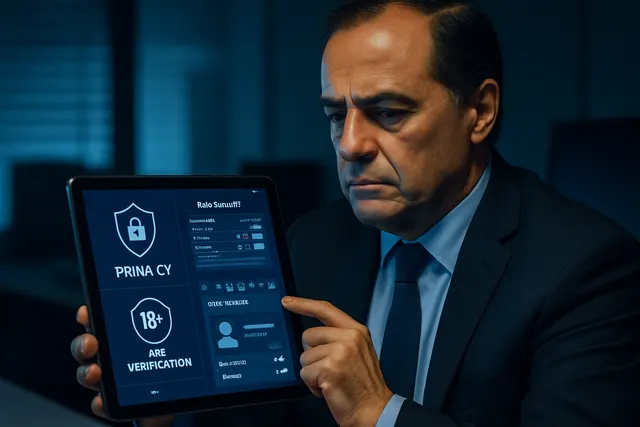
Uruguay’s Chamber of Deputies is reviewing a ban on social media accounts for users under 15 and age-verification rules for platforms, while a separate proposal to regulate online gambling adds cybersecurity and personal data protections.
Update August 24, 2026: Uruguay’s regulatory agenda has added a comprehensive CUOASEC bill to organize online gambling, with cybersecurity and personal data protection requirements. The proposal also strengthens measures against unauthorized operators, adding to the debate over social media access for minors.
Uruguay’s Chamber of Deputies is studying a bill that would ban people under 15 from creating or keeping personal social media accounts and would require platforms to verify user ages. The measure, backed by Colorado lawmaker Felipe Schipani, comes on top of a nationwide consultation opened by the Chamber itself and sits alongside other regulatory debates, including online gambling and the use of artificial intelligence in mental health.
What does the social media bill propose?
The text sets 15 as the minimum age to create and keep personal social media accounts and places responsibility on platforms to block access for anyone who does not meet that requirement. According to Montevideo Portal, the definition of social media service is broad and includes platforms that allow users to create profiles, publish content, interact, and receive algorithmic recommendations.
The same coverage says the bill excludes educational and health services, private messaging, digital libraries, scientific repositories, and platforms designed for children without behavioral advertising. El Megáfono added that, in the discussion, proposed verification methods include identity documents, photographs, and biometric systems.
What requirements would it add for platforms?
According to Montevideo Portal, companies would have to apply age-verification mechanisms that are reasonable, proportional, effective, and auditable. The bill makes clear that setting a minimum age in terms of service, or accepting simple unverified declarations, would not be enough.
Platforms would also have to publish semiannual reports with data on suspended accounts, error rates, and complaints received. The proposal aims to make compliance more transparent and to avoid placing the burden of control only on families or users.
What penalties does the Uruguayan Parliament foresee?
The bill under review includes fines of up to 20,000 reajustable units and, in serious and repeated cases, the possibility of temporary platform suspension by court order, according to La República. That wording puts the regulatory focus on service providers, not just on the behavior of minors.
Coverage also notes that the legislative process is still open and is part of a broader debate over children and teenagers’ use of social media. Subrayado reported that the Chamber of Deputies has launched a nationwide consultation to legislate on that use.
What changed in the online gambling agenda?
CUOASEC submitted to the executive branch a comprehensive bill to regulate online gambling in Uruguay, with rules on state authorization, oversight, cybersecurity, and personal data protection. According to SCCG Management, the proposal seeks to align Uruguay’s framework with international standards on transparency, responsible gambling, and the prevention of money laundering and terrorist financing.
Yogonet reported that the initiative limits operations to licensed providers subject to regulatory oversight and sets out a specific regime to restrict unauthorized suppliers. That coverage also said the bill structures three measures against illegal gambling: blocking unauthorized platforms, creating the exclusive .bet.uy domain to identify licensed operators, and establishing a National User Registry to strengthen traceability and identity controls.
What about personal data and AI in mental health?
A recent international monitoring report said that, in the 180 days before August 2026, no specific legislative developments on personal data protection were confirmed in Uruguay beyond the existing framework of Law 18.331 and related rules. GDPRI also said that URCDP operates alongside AGESIC as a decentralized supervisory body.
On artificial intelligence and mental health, the most concrete discussion surfaced at the departmental level. El Telégrafo de Paysandú reported that council members introduced the proposal "Community protection against the risks of Artificial Intelligence in mental health," with response protocols, involvement of mental health teams, coordination with emergency services, community awareness, and ongoing evaluation of impacts on suicidal behavior. According to its authors, there was no bill or specific parliamentary debate in Uruguay on those effects.
Sources
- Diputado colorado propone la prohibición de las redes sociales para los menores de 15 añosmontevideo.com.uy· Montevideo Portal
- Plantean protocolos de protección ante riesgos de la IA en salud mentaleltelegrafo.com· El Telégrafo
- Diputado propone impedir el acceso a redes sociales a menores de 15 añoselmegafono.uy· El Megáfono
- Proyecto de ley en Uruguay busca prohibir las redes sociales a menores de 15 años con sanciones de hasta 340.000 dólareslarepublica.pe· La República
- CUOASEC propone regular el juego online y combatir lo ilegalsoloazar.com· SoloAzar
- Uruguay Data Protection & Privacy Regulation Monitordataprotection.gi· GDPRI
- Cámara de Diputados realiza consulta en todo el país para regular el uso de redes sociales por parte de niños y adolescentessubrayado.com.uy· Subrayado
- CUOASEC presenta ante el Poder Ejecutivo proyecto de ley para regular el juego en línea y combatir la ilegalidad en Uruguaysccgmanagement.com· SCCG Management
- Uruguay casino operators propose bill to legalise and regulate online gamblingyogonet.com· Yogonet
- Uruguayische Casino-Betreiber schlagen ein Gesetz zur Legalisierung und Regulierung von Online-Glücksspiel voryogonet.com· Yogonet (edición en alemán)