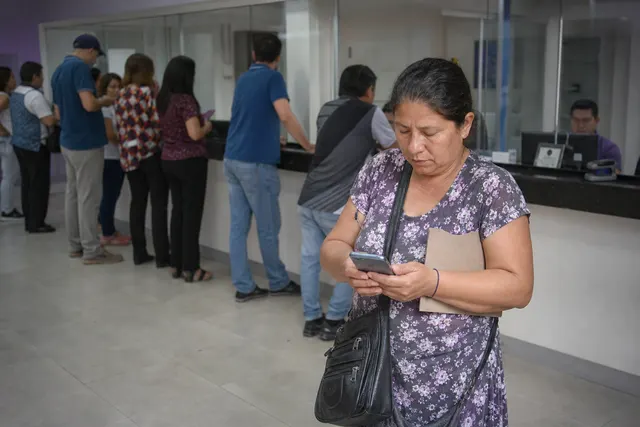
Paraguay tightens EMPE rules
The BCP is tightening rules for wallets, electronic payments and personal data, with full balance backing and new information requirements.
In Paraguay, local digital wallets mostly operate as Entidades de Medios de Pago Electrónico, or EMPE, a category created and supervised by the Central Bank of Paraguay. The framework requires full backing of user balances, sets rules for inactive accounts and now overlaps with new obligations on personal data and credit bureaus.
In Paraguay, most local digital wallets operate as Entidades de Medios de Pago Electrónico, or EMPE, a category created and supervised by the Central Bank of Paraguay for companies that issue electronic money without being traditional banks. The framework requires full backing of user balances, sets rules for inactive accounts and now intersects with new obligations on personal data and credit.
What does the EMPE regime require?
The Central Bank of Paraguay rules require EMPEs to back 100% of users’ electronic balances, either through an autonomous trust or deposits held at the BCP itself. They also set a treatment for inactive balances, which must be transferred to a bank account in the holder’s name after 180 days without movement.
That setup places digital wallets under a prudential logic closer to that of other supervised entities, even if their activity is not traditional banking. In practice, the rule is meant to ensure that electronic money is fully covered and that users retain traceability over funds that go unused for a prolonged period.
How does this fit into the BCP’s digital agenda?
The BCP approved an Electronic Payment Methods Regulation as part of its Digital Economy program, as a complementary piece to the EMPE framework. The measure strengthens the regulatory framework for interoperability and operational security in payment methods used by the financial and fintech sectors.
The Digital Economy program also promotes the adoption of electronic payment methods by micro, small and medium-sized businesses, with the participation of financial institutions. In practice, that extends prudential and security requirements to a broader universe of merchants and small businesses joining the digital financial ecosystem.
The expansion of the BCP’s QR Hub points in the same direction. According to La Nación, that policy aims to have electronic payments processed as direct electronic transfers between the payer’s and the merchant’s accounts, without closed networks run by a single entity. That design increases security and transactional data protection obligations for banks, EMPEs and other interoperable participants.
What happens with personal data and credit?
The data protection front is advancing in parallel. The available source includes Law 7593/2025 on data protection in Paraguay and the draft regulation on Credit Information Bureaus and Protection of Personal Credit Information published by the Central Bank of Paraguay.
The combination of those rules with BCP supervision over financial entities and other actors in the digital ecosystem expands information-handling obligations across the system. According to statements reported by La Tribuna, the central bank regulates financial markets through its superintendencies of banking, securities and insurance, and it has the authority to request information, review boards, assess anti-money-laundering mechanisms and verify corporate governance rules.
In that framework, protection of credit information and oversight of supervised entities are tied to the same regulatory architecture that now covers wallets, electronic payments and other digital financial services in Paraguay.
Sources
- Siete claves para entender la expansión de los pagos a través del QR Hub del BCPlanacion.com.py· La Nación (Paraguay)
- Noticias – proyecto de Reglamento de Burós de Información Crediticia (BIC) y Protección de la Información Personal Crediticiabcp.gov.py· Banco Central del ParaguayUnverified URL
- Billetera Digital en Paraguay: Qué Es y Cuál Elegirgetmeru.com· GetMeru
- Programa Economía Digital – publicación en redes socialesx.com· Banco Central del Paraguay
- ¿Tu próxima charla podría ser grabada por IA?latribuna.com.py· La Tribuna
- Protección de datos en Paraguay: Ley 7593/2025lawwwing.com· Lawwwing
- Acusación fiscal contra Zaldívar obliga al BCP a ejercer su poder de supervisiónlatribuna.com.py· La Tribuna
- Nueva directora del BCP destaca la estabilidad bancaria y la evaluación del FMIlatribuna.com.py· La Tribuna