Latin America bank fraud jumps 155%, BioCatch says
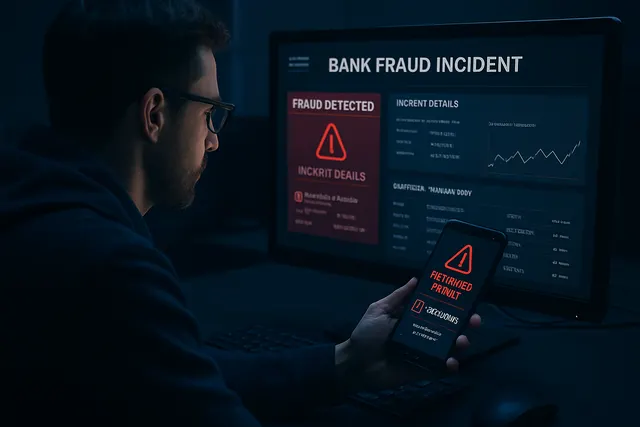
BioCatch raised its regional social engineering surge to 155%. In Argentina, Catamarca and Buenos Aires report new virtual scam signals.
August 20, 2026 update: BioCatch revised its regional figures and said social engineering scams rose 155% in Latin America, a jump that includes Argentina. New data also emerged in the country from Catamarca and Buenos Aires City on complaint volumes and the most common tactics.
What changed in digital banking fraud across the region?
BioCatch lifted the regional increase in social engineering scams to 155% in its 2026 Digital Banking Fraud Trends Report, cited by Argentine media, underscoring that the problem keeps accelerating across Latin America. The new figure updates the earlier picture and once again places Argentina inside a regional wave of fraud increasingly driven by human manipulation.
Infobae reported that across Latin America, the most common tactics used to empty bank accounts include phishing with malicious links, impersonating banks through calls and messages, fake apps designed to capture credentials, and malware paired with remote access tools to take control of victims’ devices.
The same report warns that a single click on a malicious link or file can open the door to credential theft, malware installation, and the capture of two-factor authentication codes, giving attackers access to bank accounts.
How is this showing up in Chile?
In Chile, banks issued an alert over the rise in vishing, a scheme in which cybercriminals call users while posing as bank employees, technical support staff, or police officers to steal passwords and transfer codes. El Mostrador also said the fraud becomes more effective when attackers use personal data previously leaked online to build trust.
The security rules cited by that outlet say banks will never ask by phone for secret keys, transfer passwords, coordinate card codes, or confirmation of transactions in the app while the customer is on a call. Any request of that kind should be treated as a fraud warning sign. It also notes that under Chile’s Fraud Law, financial institutions must keep 24/7 blocking channels available for cards and digital access, receive formal claims for loss, theft, or fraud, and comply with legal deadlines for response and possible reimbursement.
CronUp, meanwhile, warned about a large smishing campaign in Chile spreading through SMS messages with links to fraudulent sites impersonating public agencies and financial institutions. The operation continuously adds new domains and seeks personal and financial data through social engineering.
What is happening in Brazil?
Evertec Trends says financial fraud in Brazil is no longer mainly committed by isolated individuals, but by highly structured criminal organizations with division of labor among specialists in social engineering, malware development, money laundering, mule account opening, and forged document production.
The analysis also says the growth of open banking and the sharing of financial data with consent is being exploited by malicious actors who simulate consent, hijack authentication sessions, or use social engineering to convince customers to authorize improper access. According to the report, the risk has moved away from the technology itself and toward manipulation of human behavior.
The same research documents identity fraud schemes that include synthetic identity fraud, mixing real and fake data, and the use of AI-manipulated selfies, or deepfakes, to bypass facial biometrics in digital onboarding and identity verification at banks and fintechs.
What new signals emerged in Argentina?
In Argentina, the BioCatch report cited by local media placed social engineering within the regional 155% increase, while other reports showed a more granular deterioration by jurisdiction and scam type. Mercado also said that while overall incident volume fell 20%, social engineering scams rose 183% and identity deepfake use increased 66%.
In Catamarca, provincial authorities said virtual scams have surpassed 500 complaints so far this year. The pattern they describe is recurring, victims spot suspicious activity in their accounts, search the internet for customer service numbers, and end up with fake call centers that push them into transfers or loan requests.
La Nación reported that Buenos Aires City is seeing more than 200 cyberfraud complaints per month, many tied to WhatsApp account theft and fraud in digital wallets. In those cases, victims’ accounts and apps are taken over and used to request transfers or quick loans, effectively turning them into mule accounts to keep the fraud chain going.
Another warning circulated by Argentine media, with recommendations from Argentina.gob.ar, points to a newer method in which home banking is blocked and a call follows, supposedly from the bank. The official advice is to hang up and contact the institution through official channels, without giving usernames, passwords, PINs, tokens, or message codes during the call.
What other warning signs appear in Mexico, Colombia and Venezuela?
A Mercado report, based on Sumsub and BioCatch findings, says advanced fraud involving AI-generated identities grew 180% in Latin America, while social engineering scams linked to digital banking fraud rose 155%.
In Mexico, NoticiasNeo reported that phishing grew 202% and detailed seven digital items that should be preserved for an effective complaint, including the original email or message with full headers, the fraudulent site URL, screenshots, call logs tied to social engineering, and transfer receipts.
Vanguardia reported 866 recent cyberfraud complaints in Bucaramanga, Colombia, and advised protecting credentials with strong passwords and multifactor authentication, while also distrustful of urgent messages and verifying senders, domains, and URLs before clicking or sharing information.
Elonce said digital scams have evolved into complex schemes in which criminal groups use artificial intelligence, social engineering, social media campaigns, and financial structures to make the money harder to trace. In Venezuela, IP Media Group, citing ESET, warned about fake fundraisers and donation pages that even use AI to generate news stories or videos about supposed victims, aiming to exploit emotional urgency and obtain financial data or fraudulent donations.
Why is the focus no longer just on technology?
ConAcento in Mexico also cited a cybersecurity specialist who described these scams as operations run by criminal organizations with defined structures, where different members recruit victims, develop the social engineering, use AI to impersonate identities, and then launder the money.
BBVA Mexico, in its digital fraud prevention guide, stresses that criminals exploit urgency to get users to hand over information voluntarily. The bank says it will never ask for passwords by phone, text, or email, recommends ending the communication, verifying through official channels, and using features such as "Turn off card" along with an immediate password change after an incident.
Sources
- Pagos digitales e IA en América Latina: fraude, identidad y confianza financierathrexio.com· Threxio
- Un solo clic puede vaciar tu cuenta: las tácticas de los ciberdelincuentes en América Latinainfobae.com· Infobae
- Identidades creadas con IA: el nuevo peligro de las estafasinfosertecla.com· Infosertecla
- Hizo un reclamo por Instagram, la estafaron por WhatsApp y ahora el banco deberá pagarle más de $5.000.000tn.com.ar· TN
- Ciberdelitos: Las estafas virtuales suman más de 200 denuncias por mes y advierten cómo evitar las trampas más reiteradaslanacion.com.ar· La Nación
- Tendências de fraude bancária digital na LATAM 2023biocatch.com· BioCatch
- Las estafas virtuales no frenan y ya superan las 500 denuncias mientras crecen las alertas por nuevos fraudes en Catamarcaelaconquija.com· El Aconquija
- El nuevo fraude que usa inteligencia artificial para imitar voces y rostros de famosos y vaciar cuentas en Argentinainfobae.com· Infobae
- Tendencias del fraude bancario digital en LATAM 2023biocatch.com· BioCatch
- Fraude en LATAM: Nuevas Regulaciones que Debes Conoceryoutube.com· YouTube / canal no especificado
- O que fazer em caso de fraude bancária para recuperar o dinheiroserasa.com.br· Serasa
- La inteligencia artificial acelera clonación de Sofomesmilenio.com· Milenio
- Especialista revela cómo operan las redes detrás de las estafas digitalesconacento.com.mx· ConAcento
- Cuando la IA empiece a mover dinero, la pregunta ya no será ¿Quién eres?, sino ¿Quién decidió?itsitio.com· ITSitio
- Prevención de fraudes en internet: cómo evitar estafas digitalesbbva.mx· BBVA México
- Fraudes financeiras no Brasil: o novo perfil dos ataquesevertectrends.com· Evertec Trends
- Fraudes con identidades por IA: en Argentina crecen 66% los deepfakesmercado.com.ar· Mercado
- Campaña masiva de smishing continúa expandiéndose en Chilecronup.com· CronUp
- Estafas digitales: cómo operan las bandas que usan inteligencia artificial para engañarelonce.com· Elonce
- Chile enfrenta 27.600 millones de ciberataques: nueva tecnología busca detectar fraudes sin compartir datos personalespresslatam.cl· PressLatam
- Seguro Cyber para Fintechs y Sector Financiero en LATAMnextguardinsurance.com· NextGuard Insurance
- Vishing: la estafa telefónica por la que los bancos alertan a sus clientes en Chileelmostrador.cl· El Mostrador
- Alerta por fraude cibernético en Bucaramanga: 866 denuncias y tres claves para proteger sus cuentasvanguardia.com· Vanguardia
- Nueva modalidad de estafa bancaria en Argentina: el bloqueo del home banking como ganchomendozaviva.com· Mendoza Viva / Argentina.gob.ar
- Deep fakes aumentan los fraudes bancarios un 300%: Juan Guevarayoutube.com· YouTube / Imagen Empresarial
- Robos y fraudes en el uso de tarjetas e instrumentos financierosbcn.cl· Biblioteca del Congreso Nacional de Chile
- Estafas a consumidores: la peor pesadilla del sector bancario de Latamblog.axur.com· Axur
- El fraude bancario en Latam se dispara: Los intentos de estafa crecen un 155%ebankingnews.com· eBankingNews
- Ingeniería social tras la tragedia: ESET alerta sobre ciberestafas y donaciones falsas en Venezuelaipmediagroup.net· IP Media Group / ESET
- Da Venezuela ao Brasil: os países de LatAm onde a fraude digital mais crescebloomberglinea.com.br· Bloomberg Línea