Brazil TSE and Microsoft curb election disinformation
Brazil's electoral court and Microsoft Brasil signed an agreement to counter election disinformation and protect voices from audio deepfakes.
Brazil’s Superior Electoral Court and Microsoft Brasil announced a memorandum of understanding to strengthen the response to disinformation tied to the Brazilian electoral process. The agreement includes training on Azure Speech AI to authenticate and protect voices against audio deepfakes, and also seeks to limit the misuse of Copilot and Bing in that context.
Brazil’s Superior Electoral Court and Microsoft Brasil announced a memorandum of understanding to strengthen the response to disinformation about the electoral process. The agreement includes training on Azure Speech AI to authenticate and protect voices against audio deepfakes, along with steps to prevent the misuse of Copilot and Bing in situations linked to Brazil’s election.
What does the alliance include?
The partnership calls for joint work to confront deceptive content and technology abuse tied to Brazil’s electoral process. According to the Regional Electoral Court of Espírito Santo, Microsoft also committed to act to prevent the misuse of its generative services when they are related to the election, always in line with its policies, legal requirements and technical limitations.
In practice, the focus is not only on detecting disinformation, but also on voice authentication, a sensitive issue as audio deepfakes become more advanced. The memorandum is meant to strengthen the Brazilian electoral system’s institutional capacity to respond to that type of manipulation, in a setting where synthetic content generation is already an operational concern.
What does the agreement say about Microsoft tools?
The understanding foresees Microsoft working to prevent abuse of Copilot and Bing in electoral contexts, but always within its internal policies, applicable law and the technical limits of each service. That clause defines the real scope of the collaboration and limits what the company can do against manipulation or fraud attempts.
The reference to Azure Speech AI adds a specific technical layer. The training is intended to use that technology to authenticate voices and reinforce their protection against audio imitation, a method that can make it harder to identify fake messages or impersonation in disinformation campaigns.
Why does it matter in Brazil’s context?
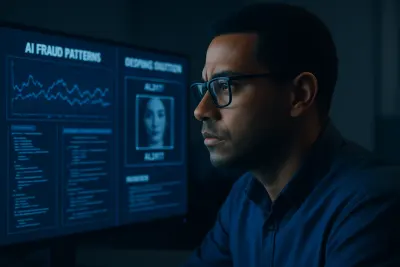
Brazil has drawn regional attention for the use of AI as operational support in intrusion campaigns and as a tool for deepfake-enabled fraud, according to the reference sources available for this coverage. In that context, the alliance between the TSE and Microsoft fits into an institutional response that combines disinformation mitigation and control over the use of generative tools in electoral debate.
The coverage also intersects with Brazil’s election rules on synthetic content, although the material provided does not detail those regulatory criteria or add directly attributable figures for this report. For that reason, the confirmed scope of the announcement is limited to the memorandum, the technical training and the prevention of abuse of generative services in the electoral process.
Sources
- Terror digital: 5 casos reais de golpes com IA em 2026geekpopnews.com.br· GeekPop News
- TSE e Microsoft firmam parceria para combater a desinformação sobre o processo eleitoraltre-es.jus.br· Tribunal Regional Eleitoral do Espírito Santo
- Brazil — Global AI Monitorartificial-intelligence.gi· Global AI Monitor
- A IA virou assistente do cibercrime e está acelerando ataques na América Latinagizmodo.com.br· Gizmodo Brasil