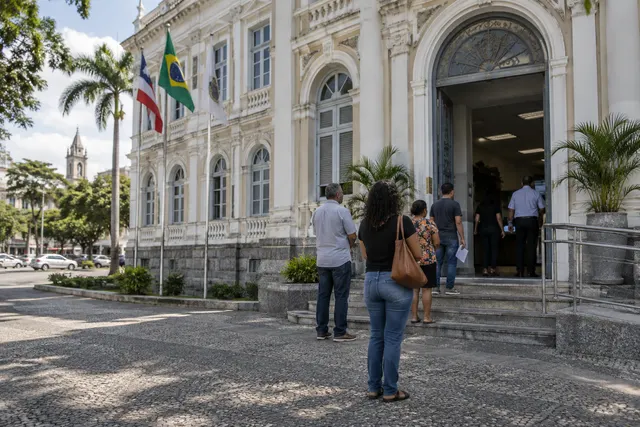
Brazil's ANPD sanctions Feira de Santana
The ANPD upheld sanctions against Feira de Santana for exposing sensitive data from 1,241 people and ordered new measures.
Brazil's ANPD completed an administrative sanctioning process against the Prefeitura de Feira de Santana, in Bahia, over the exposure of sensitive personal data from 1,241 people in the Diário Oficial do Município. The disclosed information included data linked to HIV, sickle cell anemia, and fibromyalgia. The authority issued a warning, ordered public disclosure of the violation, and imposed corrective measures.
Update October 31, 2026: Cescon Barrieu said Instruction Report No. 3/2026/CGS/SFI identified six conduct violations and classified them as serious breaches because they involved sensitive data and produced discriminatory effects. It also said the infringement notice must remain on the prefeitura's website for 180 days, and that the absence of an administrative fine is based on article 52, section 3, of the LGPD.
The ANPD concluded an administrative sanctioning process against the Prefeitura de Feira de Santana, in Bahia, for exposing sensitive personal data from 1,241 people in the Diário Oficial do Município. The disclosed information included data related to HIV, sickle cell anemia, and fibromyalgia. The authority issued a warning, ordered public disclosure of the violation, and imposed a set of corrective measures.
How did the case begin?
The case began with a complaint received 48 hours after the incident and later moved from an inspection process to an administrative sanctioning proceeding, according to the ANPD. In its decision, the authority recognized six violations of the LGPD and classified the case as a breach of personal data processing rules.
What did the ANPD order the prefeitura to do?
The ANPD imposed specific governance and compliance obligations. These include appointing a personal data officer, drafting and publishing privacy and information security policies, preparing an incident response plan, and submitting data protection impact reports.
The authority also required measures tied to creating a preliminary assessment step on the impact to data subjects before publishing personal data in the Diário Oficial, along with staff training, rules for information sharing across departments, and risk assessments before new publications. Bahia Notícias reported that the data was removed a few hours after it appeared, but the ANPD found a failure in the incident notification procedure.
What was the scope of the violation?
According to the ANPD, the exposure affected 1,241 people and involved sensitive data, a category that receives special protection under the LGPD. Specialized coverage reported that the conduct was classified as serious and that the original publication included names and transportation card numbers.
G1 also reported that the Prefeitura de Feira de Santana must publish a notice about the violation on its official website for six months. The outlet also noted that public bodies are not subject to the administrative fines provided for under the LGPD.
What did the ANPD say about notifying data subjects?
The ANPD said that a general notice on the website does not replace direct, individualized communication of the incident to the affected people. According to the legal analysis cited by Cescon Barrieu, the prefeitura tried to notify only 22 of the 1,241 affected data subjects by postal mail, or 1.77%.
What does this case show about the ANPD?
The ANPD said it continues monitoring, inspection, and sanctioning activities against companies and platforms for LGPD violations and other data subject protection frameworks, with an approach aimed at bringing regulated entities into compliance and holding them accountable for any harm caused. At the same time, the authority published translated versions of the updated LGPD and Decrees No. 12,975 and No. 12,976, which assign it regulatory, monitoring, and inspection powers related to platform obligations, transparency, risk management, and user rights protection.
Sources
- ANPD sanciona prefeitura por exposição de dados médicosguairanews.com· Guaira News
- Prefeitura diz que aguarda notificação após punição por vazamentog1.globo.com· G1
- ANPD conclui processo contra Prefeitura de Feira de Santana por exposição de dados de saúde de 1.241 pessoascesconbarrieu.com.br· Cescon Barrieu – Centro de Inteligência Jurídica
- ANPD publica versões traduzidas para outros idiomas dos Decretos nº 12.975 e nº 12.976 e da LGPD atualizadagov.br· Agência Nacional de Proteção de Dados (ANPD)
- Após expor de forma ilegal dados de pacientes com HIV, Prefeitura de Feira recebe apenas advertênciametro1.com.br· Metro1
- ANPD estabelece medidas corretivas à Prefeitura de Feira de Santana pelo vazamento de dados médicos de 1.200 pessoasgov.br· ANPD
- CPDP LatAm 2026 encerra com ECA Digital e transparência das plataformas como temas prioritáriosgov.br· ANPD
- ANPD notifica Prefeitura de Feira por vazamento de dados médicos de 1,2 mil pessoasbahianoticias.com.br· Bahia Notícias
- Prefeitura de Feira é alvo da ANPD por vazar dados médicos de 1,2 mil pessoas no Diário Oficialbahianoticias.com.br· Bahia Notícias
- ANPD atualiza e inclui novos verbetes no Glossáriogov.br· ANPD
- Lei LGPD em inglês atualizada pós Lei nº 15.352:2026gov.br· ANPD
- Prefeitura na BA é punida após expor dados médicos de 1,2 mil pessoasg1.globo.com· G1
- Feira de Santana faces 6 ANPD warnings for naming 611 people with HIVppc.land· PPC Land
- ANPD atualiza e inclui novos verbetes no Glossáriogov.br· ANPD
- Prefeitura de Feira é alvo da ANPD por vazar dados médicos de 1,2 mil pessoas no Diário Oficialbahianoticias.com.br· Bahia Notícias
- Prefeitura de Feira de Santana se manifesta após sanções da ANPDbahia.ba· bahia.ba
- ANPD publica versões traduzidas para outros idiomas da LGPD e dos Decretos nº 12.975 e nº 12.976gov.br· Agência Nacional de Proteção de Dados (ANPD)
- LGPD completa seis anos com os desafios da inteligência artificialvalor.globo.com· Valor Econômico