Peru’s SBS warns of digital fraud
Peru’s SBS flagged more identity theft complaints in July 2026, tied to unauthorized banking transactions
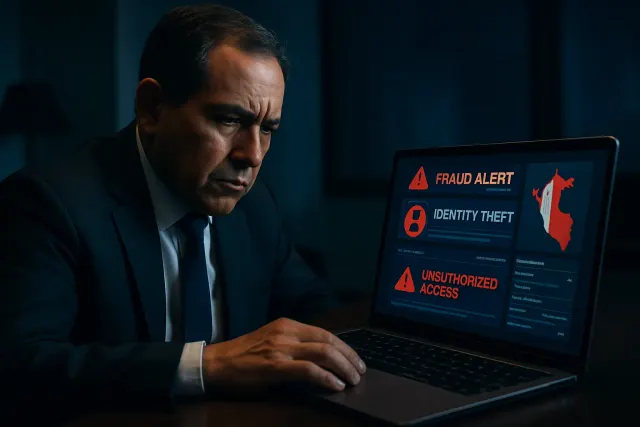
Peru’s Superintendency of Banking, Insurance and AFPs warned in July 2026 about a rise in complaints tied to digital fraud and identity theft. According to the regulator, criminals are obtaining personal and financial data through phishing and phone calls, then carrying out unauthorized banking transactions.
Peru’s Superintendence of Banking, Insurance and AFPs warned in July 2026 about a rise in complaints tied to digital fraud involving identity theft in financial products in Peru. According to the regulator, criminals obtain personal and financial information through phishing and phone calls, then carry out unauthorized banking transactions without customer approval.
What did the SBS describe?
The SBS warning focused on identity theft cases involving financial products. According to the agency, the scheme begins with the collection of sensitive data and ends with unauthorized banking transactions. The source places these incidents within the broader increase in complaints reported by the regulator in July 2026.
What other signals in the financial system appear in the material?
Among the available sources is also an SBS alert about the fraudulent use of biometric data and OTP codes, as well as a guide to good practices for cybersecurity risk management in the financial system. The material also includes an SBS note on the responsibility of financial institutions to use strong customer authentication.
In parallel, Peru’s Central Reserve Bank published recommendations on digital payments, while ASBANC issued an alert on smishing and vishing aimed at digital banking customers. The National Digital Security Center of the PCM included the financial and fintech sectors in its January 2024 bulletin.
What investigated cases and sector responses are mentioned?
The National Police of Peru reported dismantling a group dedicated to cloning mobile banking apps. There is also a statement from the Public Prosecutor’s Office on investigations into digital banking fraud and identity theft.
From the private sector, Yape issued a statement about fraud attempts involving fake accounts and the use of other people’s identities, while Niubiz said it strengthened its anti-fraud systems after an increase in suspicious transactions. OSIPTEL, for its part, warned about SIM swapping fraud and its risks for mobile banking.
The research material also includes a sanction by the National Authority for Personal Data Protection against a financial institution for failures linked to personal data protection.
Sources
- La suplantación de identidad en productos financierossbs.gob.pe· Superintendencia de Banca, Seguros y AFP (SBS)
- Alerta SBS sobre fraudes digitales en el sistema financierosbs.gob.pe· Superintendencia de Banca, Seguros y AFP (SBS)
- Pagos digitales: riesgos y recomendacionesbcrp.gob.pe· Banco Central de Reserva del Perú
- Divindat desarticula organización dedicada a clonación de aplicaciones de banca móvilpolicia.gob.pe· Policía Nacional del PerúUnverified URL
- Estadísticas de denuncias por suplantación de identidad en productos financieros 2024sbs.gob.pe· Superintendencia de Banca, Seguros y AFP (SBS)
- Alerta sobre uso fraudulento de datos biométricos y códigos OTPsbs.gob.pe· Superintendencia de Banca, Seguros y AFP (SBS)
- Guía de buenas prácticas para la gestión de riesgos de ciberseguridad en el sistema financierosbs.gob.pe· Superintendencia de Banca, Seguros y AFP (SBS)
- Boletín de ciberseguridad para el sector financiero y fintech - enero 2024cnsd.gob.pe· Centro Nacional de Seguridad Digital - PCMUnverified URL
- Niubiz refuerza sistemas antifraude ante incremento de transacciones sospechosasniubiz.com.pe· Niubiz
- Responsabilidad de las entidades financieras en la autenticación robusta de clientessbs.gob.pe· Superintendencia de Banca, Seguros y AFP (SBS)