Chile warns of phishing targeting banks
Chile’s PDI and prosecutors warned of phishing using cloned bank and retail sites to steal credentials and verification codes.
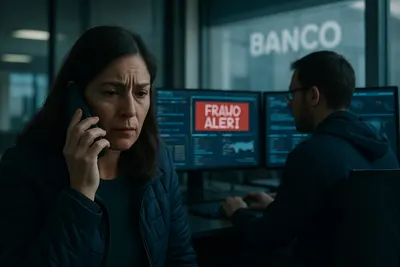
Chile’s PDI and prosecutors warned of a rise in phishing cases, with cloned bank and retail pages used to capture banking credentials and verification codes. The alert comes amid campaigns that, according to different sources, target both consumers and retail companies, with fake email and WhatsApp messages and requests for sensitive data.
Chile’s PDI and prosecutors warned of a rise in phishing cases in the country, with cloned bank and retail pages used to capture banking credentials and verification codes. The alert comes amid campaigns that, according to different sources, target both consumers and retail companies, with fake email and WhatsApp messages and requests for sensitive data.
What did the authorities and specialized media warn about?
Authorities and specialized media agreed that digital fraud campaigns are relying on site spoofing, mass messaging and pressure on victims to obtain access information. 24 Horas reported that Chile’s PDI and prosecutors detected cloned bank and retail pages, while Revista Seguridad & Defensa said fake pages that imitate well-known stores intensify during CyberMonday.
The same publication noted that no legitimate promotion should ask for banking passwords, SMS codes or codes generated by security apps. Radio Infinita, meanwhile, quoted a commissioner from the Cybercrime Brigade, who said communications that create urgency or pressure should be treated as warning signs and that the best response is to end the contact and verify directly with the institution through its official channels.
What other vectors appear in these scams?
Phishing is not limited to credential theft, because it can also serve as an entry point for other schemes, such as SIM swapping. Conadecus explained that once an attacker gains control of the phone number, they could try to receive SMS verification codes, recover passwords and access services linked to the device, including some financial services.
Publimetro, citing a global Kaspersky study, reported that phishing was the most reported threat among the retail companies surveyed, with a presence in 21% of them. In the same article, the outlet added that NordVPN had observed in comparable events a 250% increase in the creation of fake shopping sites and an 86% increase in sites impersonating email and delivery services, although those percentages were not presented as Chile-specific measurements.
What protection measures did the sources emphasize?
The sources consulted pointed to the same operating rule, do not hand over access data or verification codes in response to messages or websites that urge immediate action. The common recommendation was to distrust requests for banking passwords, SMS codes or security app codes, and to confirm any transaction through the institution’s official channels.
In 24 Horas’ coverage, the warning about cloned banking and retail pages was set against a backdrop of rising cases in Chile. Revista Seguridad & Defensa added that mass email and WhatsApp messages, along with social engineering, are part of the playbook that intensifies during periods of high commercial traffic such as CyberMonday.
Sources
- ¿Qué es el phishing? La estafa que alerta a Fiscalía y aumenta durante el Cyber24horas.cl· 24 Horas
- CyberMonday 2026, recomendaciones para evitar ser víctima de fraudesrevistaseguridad.cl· Revista Seguridad & Defensa
- CyberMonday 2026: el 87% de las empresas del retail sufrió incidentes de ciberseguridad en el último añopublimetro.cl· Publimetro Chile
- Los delincuentes utilizan cualquier excusa: Comisario de la Brigada Cibercrimen por estafasinfinita.cl· Radio Infinita
- SIM Swapping: la estafa que puede dejar tu número en manos de delincuentes y abrirles la puerta a tus cuentas bancariasconadecus.cl· Conadecus